Being A Decent Dancer Masked My AuDHD
How Joining The High School Dance Team Prolonged A Diagnosis
Disclaimer: This piece discusses themes of abuse, mental illness, and late-diagnosed Autism and ADHD. Reader discretion is advised.
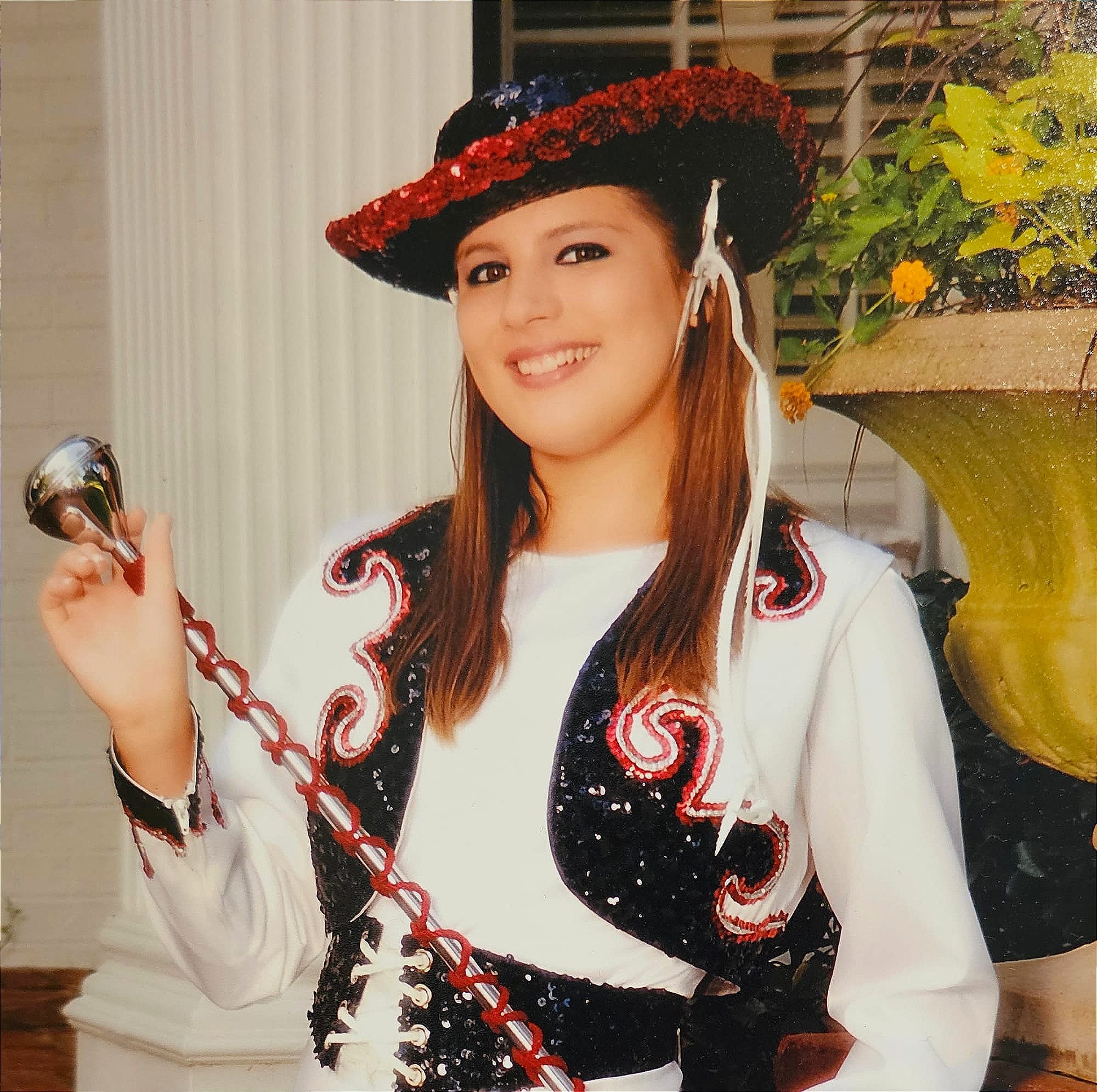
Slowly, surely, the belt tightens, and the worn leather splits in silent protest, eager to escape its own abuse.
Growing up in North Texas means growing up deep in the heart of the Bible Belt, and rather than staunchly holding up your pants, it chokes you. Slowly, surely, the belt tightens, and the worn leather splits in silent protest, eager to escape its own abuse. In a world that’s supposed to cater to the “chosen” Christians, the cries of women echo, unrelenting, yet unanswered. Children are to be seen - but not heard. Where, then, lies their joy?
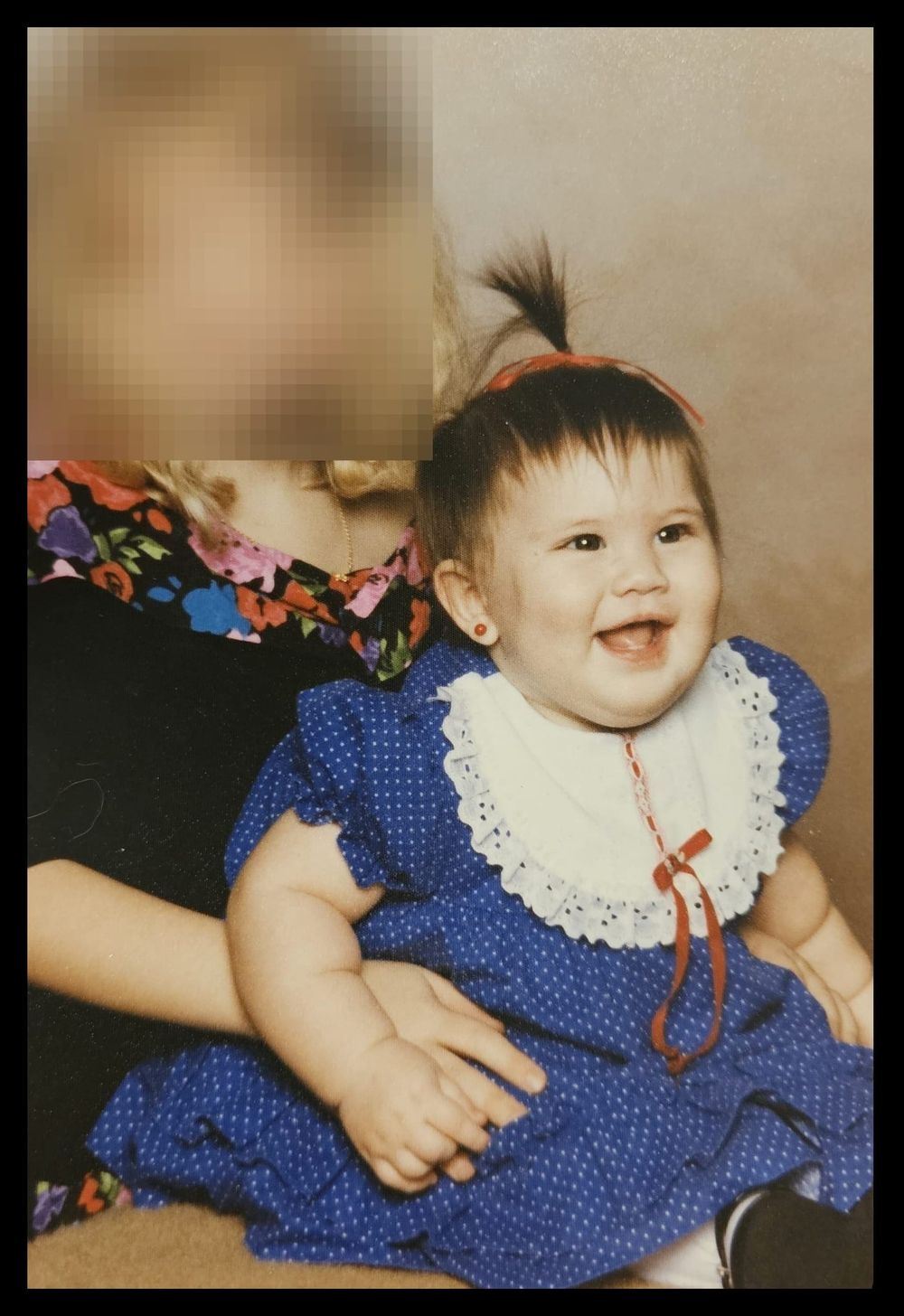
As an undiagnosed Autistic person with ADHD, this metaphorical belt was squeezing the lifeblood out of me, but I had no safe way to express how I was feeling. My parents were strict and resorted to carrying out corporal punishment first, and asking questions later, if at all. I would often scream in protest of sitting in a car seat, going to a store, and being placed into a basket.
My parents thought I was just being difficult, but I was an infant, a toddler, a literal baby. How could I possibly know how to manipulate a grown adult? I was simply uncomfortable but lacked the words to convey that. I screamed if the tongue in my shoes didn’t sit just right, or the seam of the sock hit the roof of the shoe uncomfortably. Instead of realizing there was something “wrong” or different about me, I was deemed a “bad seed,” a “problem child.”
As a young child, I really struggled to fit in with other children and play their imaginative games. My younger self did not see the point in socializing when I could spend my time doing things I actually enjoy, like playing video games, reading books, or playing out an imaginative solo game, rather than being ostracized by my peers. This is a trait or habit (however you choose to define it) that I still possess today. I was even born into a family that didn’t seem to want me, and if they did, they had a very strange way of showing it.
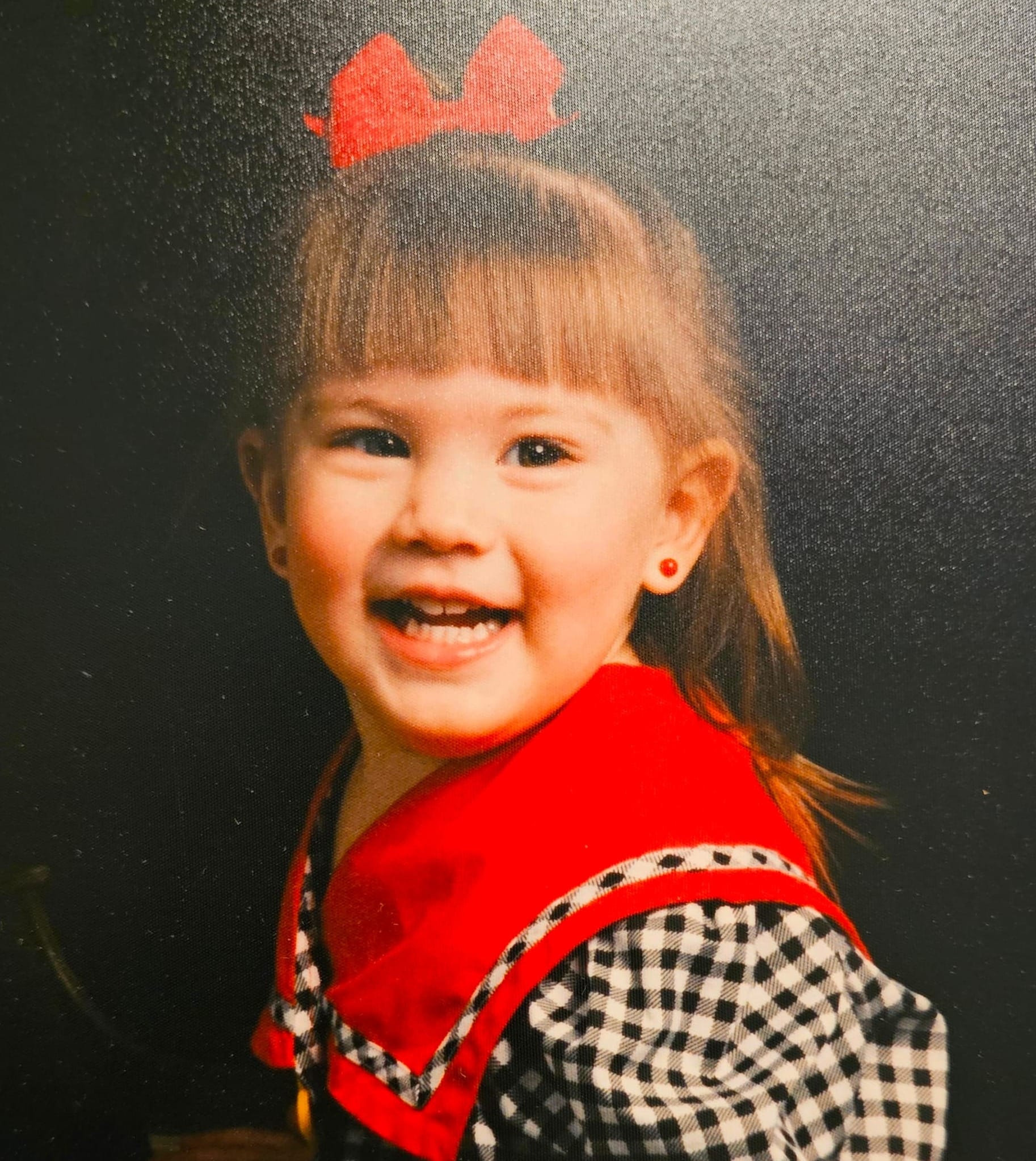
We grew into adulthood, competing…But, deep down, I really didn’t want to compete. I would have much preferred a sister, a confidant, a friend in the turmoil of our shared home life.
My sister, Brittany*, is nearly 7 years older than I am. She made it abundantly clear that she did not want a sibling. Period. I was the one who stole our mom’s and dad’s attention from her, and that made me Brittany’s Enemy No. 1. In return, she was mine. I was forced to weather her punches and learned to toss a little lightning back her way. We grew into adulthood, competing…But, deep down, I really didn’t want to compete. I would have much preferred a sister, a confidant, a friend in the turmoil of our shared home life. Unfortunately, instead of being a source of comfort, my sibling was an added source of condemnation.
Brittany would make ‘jokes’ and ‘poke fun’ at me constantly, but it was often for things I couldn’t control: Autistic traits. It also seemed incredibly condescending and rude, making it difficult for me to cope. It was laughing at me for taking something literally, calling me stupid for not understanding something the first time, and ‘throwing a fit’ over every ‘inconvenience’ - and so much more. We just had no idea what the hell Autism was, or that it even existed. It wasn’t until we had a big falling out as adults that her criticism and condescension of me died down, and we were able to reconcile. Our relationship has evolved past our childhoods; we have come to understand each other better, and I am grateful for that.
Throughout my childhood, most days were a knockdown, drag-out, WWE-style match in our house. If my parents weren’t screaming at us or each other, they were practicing their version of the Quiet Game: AKA silent treatment, complete with killer glares and slights so icy I often thought someone let a draft in before realizing - Dad would have already yelled at us if that had been the case. This is the man who would scream at us if we left the door open for longer than it took to step outside, or for just touching “his” walls with “oily hands.”
When it came to both parents, if we fought back at all, we got punished much, much worse. That was always the threat, and I was too stupid stubborn to listen. For example, a “funny” story my mother used to tell was about when she would pop my leg for saying or doing something she didn’t like. I learned to pop her right back. ‘An eye for an eye,’ essentially. She didn’t care much for the fact that I had formed that decision, and would pop me harder each time in a violent twist on playing patty cake. She thought I was being vindictive and evil because I was laughing. I was a toddler. I thought it was a game.
There was also a moment when I called my Barbie a “bitch” because I couldn’t get her clothes to fit over her breasts and butt, and it frustrated me.
In reality, I was doing what she herself (and dad) had modeled for me. There was also a moment when I called my Barbie a “bitch” because I couldn’t get her clothes to fit over her breasts and butt, and it frustrated me. The word just slipped out, and I likely didn’t really know what it meant, but I got popped for that, too. In defense of Little Me, at least I used the word in the correct context. I should have gotten partial credit for that. In all seriousness, I was adopting my father’s vocabulary, but of course, I was punished for it anyway. Again, I was a toddler or very young child.
As we got older, Brittany and I grew further and further apart. We had wrestling matches of our own, laced with icy insults meant to cause the most drastic amounts of harm to our opponent as possible. After all, it’s what we had seen our parents do. It’s the only way we knew to handle conflict. ‘They started it, you finish it,’ as Mom always said. Funny how that never applied to arguments with her or Dad. Because we had learned to be vindictive toward one another, that played out in certain scenarios with friends and classmates during my childhood. I will always remember an incident that haunts me.
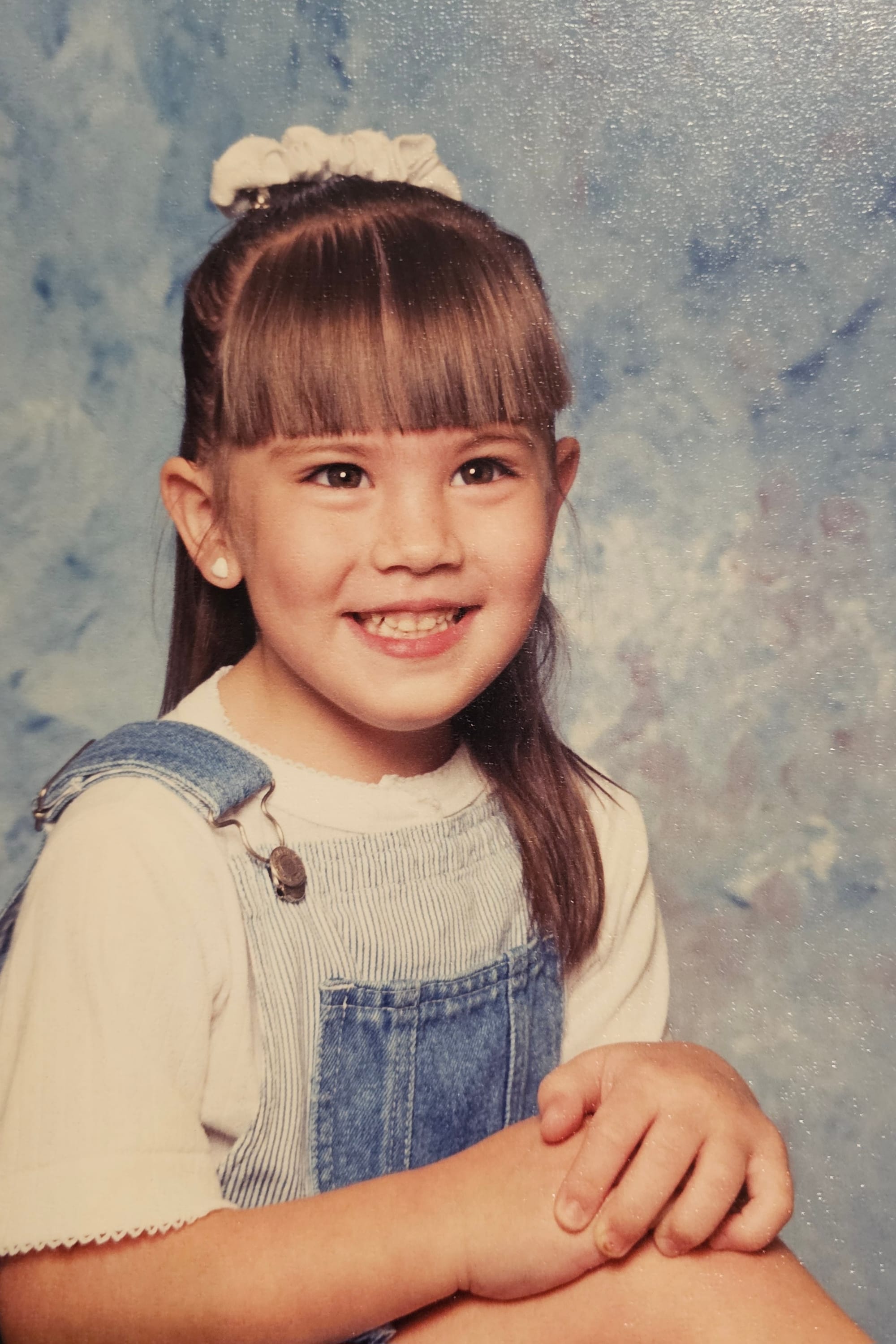
I had a good friend in Elementary school whose mother knew mine. She and her sister grew up with an incredibly close bond, and little me was very jealous. In class one year, a teacher had a little treasure chest that she would fill with little toys and trinkets (you know, before all of those fun party favors got exorbitantly expensive). When we earned enough stars or points, we could choose something from the chest. At one point, probably the end of the year, she ended up tossing everything out and allowing several of us to come up at once. I had heard my friend say she wanted to grab a bracelet for her sister, and I grabbed it in a fit of jealousy. To this day, I still wish I could go back and give it to her instead. I knew it was bad; it made me feel bad, and I should have acknowledged it.
I could have learned a really important lesson that day: Admit when you cause harm and apologize, and people are much more likely to be understanding of your mistakes.
Unfortunately, I didn’t have the wisdom or courage in elementary school to recognize that what I was feeling was likely a knee-jerk reaction to my sister’s and others’ prior ostracism toward me, correct the action, and apologize. I sat there and made myself feel guilty for possessing the bracelet rather than just fessing up and giving it to her. I could have learned a really important lesson that day: Admit when you cause harm and apologize, and people are much more likely to be understanding of your mistakes. Unfortunately, it took me many more years to fully learn that lesson. That’s another story for another day.
Once I had made it to middle school, Brittany was on her way out of the house. She had completed her high school diploma and was off to the University of North Texas, the first in the family ever to make it to college. She made sure we were all well aware of that fact and emphasized it pretty consistently. I thought my sister’s move would create a better environment for me, but in reality, it only made the situation worse. My parents, who never truly understood me in the first place, then lacked the distraction of having a second child to take the heat off my personal indiscretions and perceived fuck-ups.
Because I absolutely loathed traditional PE and its predictability or lack thereof, depending on the coach, I searched for another way to earn my physical education credits. I landed on “dance,” or “drill team,” in Southern speak, as a possibility. It counted as a PE credit as well as Fine Arts, which sounded to me, at the time, like “early graduation.” (Unfortunately for me, that was not the case.)
Brittany had been in competitive dance for years, and it was so much better than being in cheerleading, in my naive, petty mind. The only hang-up was that my sister didn’t make the Varsity team her Sophomore year, and I would have eventually been up for the same tryouts if I kept dancing through high school…until our small town decided to build a new school. I found the prospect of a new high school to be a relief. I didn’t need any other reasons for her to resent me.
Still, I worried that, even if I made a completely different varsity team, it could create even more turmoil between siblings who already had a rivalry I’m not sure either of us ever truly wanted. I think if I asked Brittany today, she would probably say our parents encouraged feelings of competition by seemingly expecting more from one child than from the other. She has voiced the pressure of feeling as if she could never make mistakes, whereas I could, but I’m not sure she has ever truly listened to my side of the story to know that I was feeling much the same way about our parents’ treatment of her.
I went ahead and chose drill team as my PE elective, despite any hang-ups. The double credit as a Fine Art was too good for me to pass up. This is where my ADHD and Autism were really able to go unnoticed, even though I was crying out for anyone, at home or otherwise, to listen. I made good grades, and it would seem I had “a lot of friends,” but really, I just had a team of girls who had to be around me whether they liked me or not, and had to pretend to, regardless, in the name of “T-E-A-M-W-O-R-K.”
Toward the end of my 7th-grade year, I started thinking about officer tryouts. I was getting the hang of this “dance” thing, and I wanted to see if I could take things further. I was getting great feedback from both the coach and officers who were one year older, so I decided to try out for Lieutenant. I felt like I had finally found something I was actually really good at, with a chance of being great. I felt like I was starting to belong a little more in the world I didn’t understand. I had a built-in group of friends on a team, and there was no awkward search for others in each class if I had a fellow drill teamer in it, as long as we got along well.
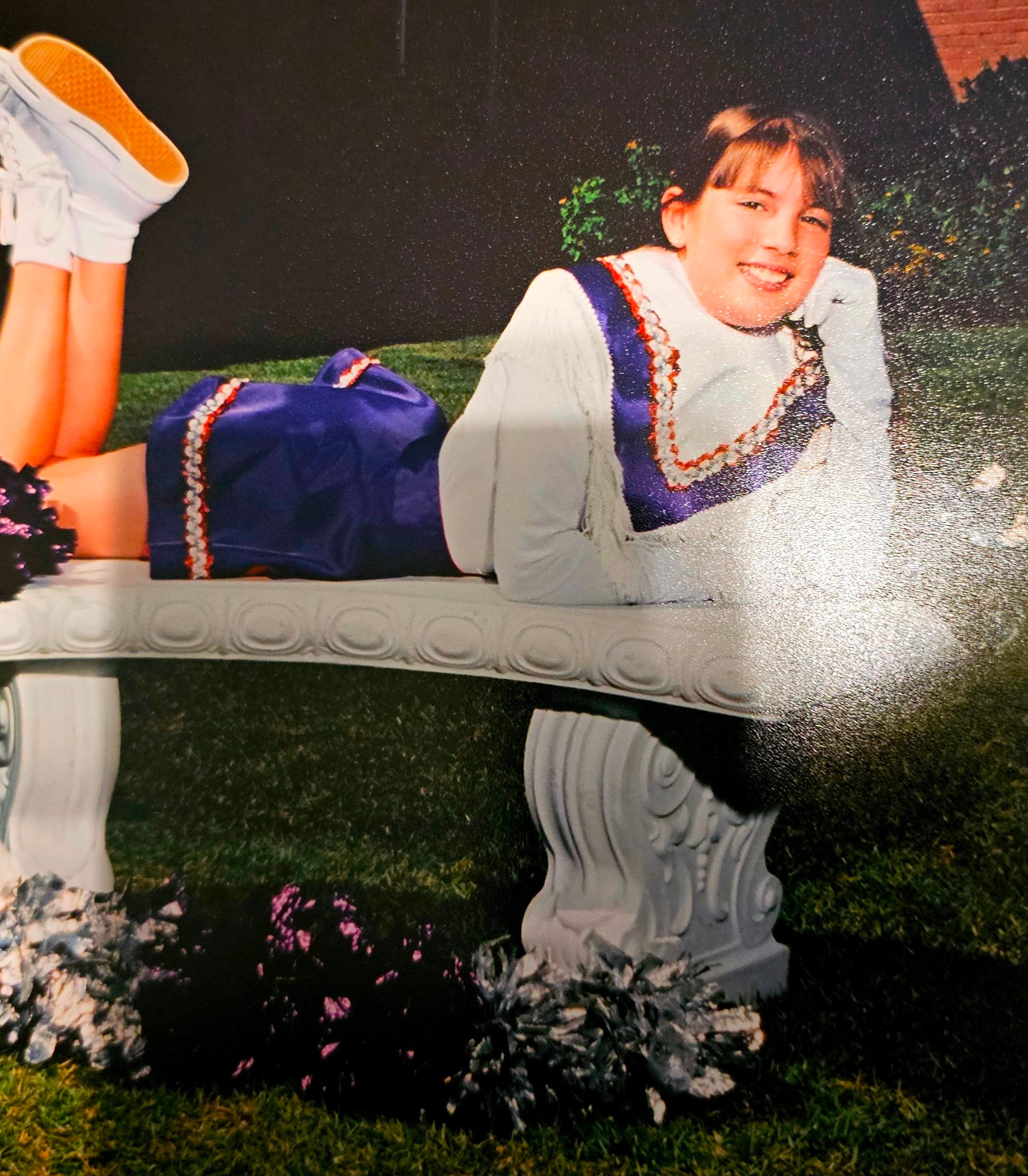
I could always feel when certain girls didn’t care for me or thought I was rude, annoying, heartless, uncaring, bitchy, snobby…the list goes on, really. I’ve heard them all, but I didn’t fit in with some of the girls on the team (and, honestly, most of the other girls at the school). I existed as their entertainment because I fell a lot and made goofy jokes, not to befriend outside of school. As much as I tried to be accepted, unless it was a team-sanctioned event or with my core group of friends, I was typically left out of most of the “extra” extracurricular activities.
I didn’t know how to compose myself in groups, even when I knew them well, and that got me left out of a lot of invitations. Even my core friend group would often do things together and leave me out. I don’t know if anything nefarious was meant, but I do remember feeling hurt. I also understood I wasn’t super outgoing, and my parents were strict, so maybe that contributed. Generally, I just felt like most people didn’t really want to be around me, my family included.
I was able to play it off like I wasn’t absolutely miserable every second of every day just existing, being forced to attend school with a bunch of people with whom I shared a mutual dislike: myself.
What most of my teammates, friends, and classmates didn’t know or comprehend was that I was incredibly depressed throughout my entire middle and high school careers, especially with everything going on at home. I was able to play it off like I wasn’t absolutely miserable every second of every day just existing, being forced to attend school with a bunch of people with whom I shared a mutual dislike: myself. I’ve always had a decent sense of when people are unsure of or distrustful of me, as well as when they are manipulating me or straight dislike me. Still, I don’t always listen when my intuition is putting its feelers out, noticing patterns and predicting outcomes.
I ended up becoming a Lieutenant in 8th grade and going on to make the Varsity team at the new high school. Still, that time ended up being fraught with physical injury and emotional damage (another sign of my neurodivergence). Dance is an incredibly cutthroat and competitive sport, and that often includes members of your own team actively working against you. We all wanted the same part: front and center. Sometimes, on rare occasions, it wasn’t the Captain up front, and those of us in the kick line would get a chance to show off.
There is bound to be competition and resentment between girls in large groups, even among the best of friends. It can be hard to stomach when the person you would normally vent to is the one who is better at something than you and has earned the spot you wanted - especially when you grow up undiagnosed and ostracized. I had to learn to accept that I couldn’t land every role every time, and that was okay. I never lashed out about not getting a specific part, but I always felt a sharp sting. It was the ache of not feeling good enough, for my parents, for myself; of not being picked…again.
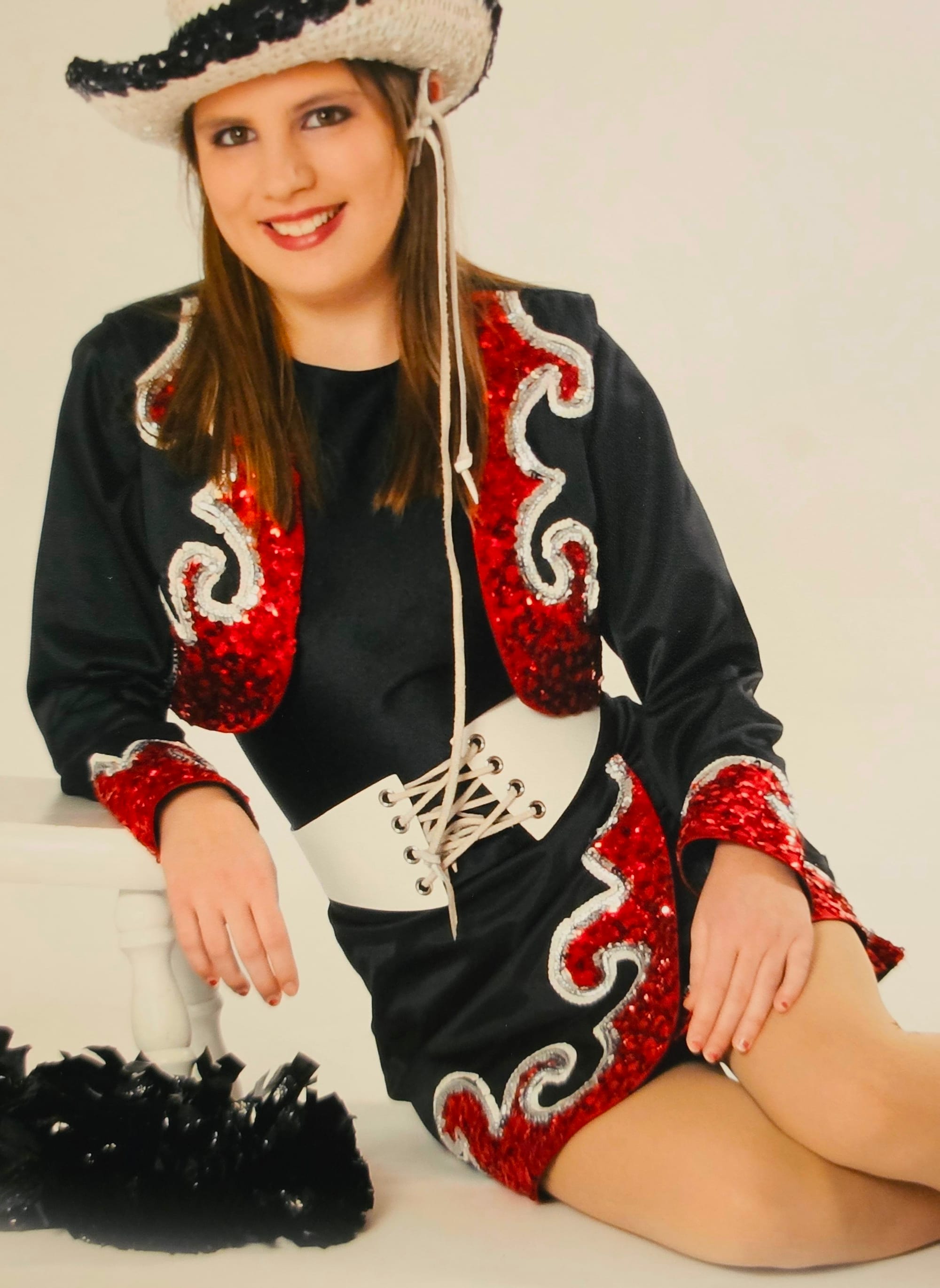
For the new high school, the town was split in two: one half would attend the initial high school, and the other would attend the new one. This gets a little confusing, but bear with me. There was a small school (formerly the first high school in town) used for Freshmen only that was converted into a middle school, and students leaving 9th grade attended the new school along with those of us entering the Freshman class. All in all, there were only two classes in the first year the school was open, and then it filled up from there. My Junior year was the first year the school ever had all 4.
Right off the bat, my Freshman year was off to a shit great start. I fractured my left ankle while performing double pirouettes, one by one, in a line across the floor of the dance room. I didn’t know it then, but this was another telltale sign of neurodivergence. (And chronic illness, but that’s, again, for another, longer story.) I have always been incredibly clumsy, tripping over my own feet.
However, when I danced, I somehow managed to balance gracefully, for the most part. I only messed up once while performing in the entirety of my time dancing, and that was because my jazz pants were too long. I’m still salty about it because I had asked for help shortening them, and no one did. My best friend’s mother got the entire performance on tape, including my “WHOOOOOP” from me slipping and falling onto my ass. To my credit, I somehow recovered quickly and got back into the routine to finish it.
Because I was good at the sport and always arrived at practices and performances on time, I was ignored when I was trying to get evaluated because I thought I might have ADHD. I “couldn’t possibly have it” because I wasn’t hyper enough for that, and could focus on practice to get the job done. It was simply something I enjoyed. It was worth making myself uncomfortable to do it. Anything I deemed not worth my time, I struggled to do. However, if I really enjoy something, I can lose hours upon hours enveloping myself in it. This made it incredibly hard to see my neurodivergence for the untrained eye.
One morning in practice, I felt a sharp snap and pop, and that’s the last time I remember not being in pain.
Throughout the remainder of my dance career, until I was forced to quit due to injury/illness during my Junior year, I continued to push myself as hard as possible to be the very best. I competed to the best of my ability, despite the immense pain I started experiencing near the end of Sophomore year from what I thought, at the time, was just a spinal injury. I found out recently, at 34, that it was my hips because I have hip dysplasia, and I had been performing C jumps constantly for performances. I’ve provided a photo for reference. One morning in practice, I felt a sharp snap and pop, and that’s the last time I remember not being in pain. I can’t tell you what that feels like anymore, though.

Once my doctor told me I had to either give up dancing or find a new doctor, I quit the team. I knew I didn’t have a choice anymore and it was only going to worsen with time, because they had found arthritis. I ended up getting pregnant my Senior year (my husband and I have now been married nearly 16 years) and graduated in 2009 without any diagnoses other than depression. That last year was pretty lonely, as almost all of my friends were still on the team. My classes didn’t have many of my old teammates in them, either, so I lost touch with most of them not long after I left. They were all busy, and I understood that. I used to be the same way.
As an adult, I have struggled to share my feelings, make friends, carry on conversations with acquaintances, hold a job without getting burnt out, name my emotions, or let anyone in. It wasn’t until my daughter got diagnosed with ADHD and Autism that I realized I should probably get tested, too. I finally received my official diagnoses at 32 and 34, respectively, and I am doing the work to find myself and what I truly want in life. It’s as if I have entered the arena of the final boss, and finding myself defeats it. I was in a car accident about a year ago that has left me unable to continue my work as a veterinary technician, so I am searching for a happy medium that allows me to do something I enjoy. It’s time for new beginnings, and I’m excited to see where my dreams take me next.
*Names have been changed to protect identities.
If you liked this article, please consider subscribing! It's free, but not all articles will be.
I am an Indigenous author in the Lone Star State who is fully disabled after a car accident. I was a vet tech working in surgery when my career was stolen by an off-duty cop not paying attention. I write about whatever my mind conjures up - tying myself down would leave me bored and restless. If you want to support my ability to write independently, please consider becoming a paid subscriber and/or making a donation so I can begin earning income from my work.
Thank you!